HOW
Lasers reshape the cornea
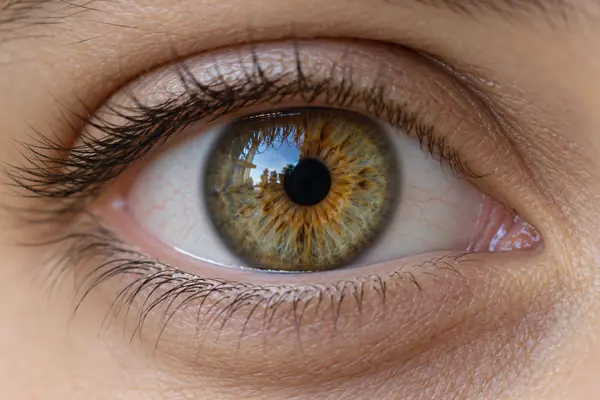
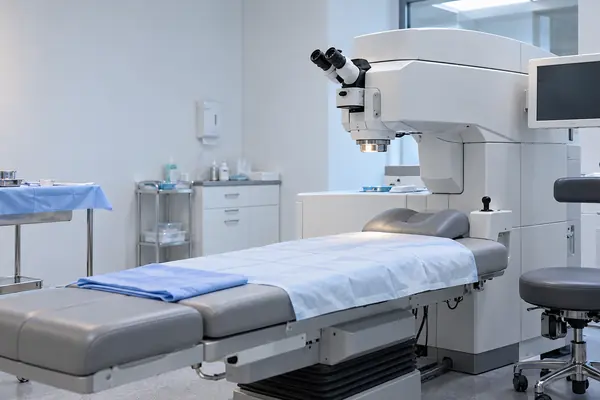
Modern surgical lasers alter the curvature and focusing power of the cornea, the clear front of the eye, to correct short sight, long sight and astigmatism.
Compare procedures doodlelazer
WHAT THE EYE SURGEONS SAY
Lasers can reshape the front of your eye.
95% of patients satisfied
95%+ Patients satisfied with the outcome of laser vision correction
Laser vision correction alters the curvature of the cornea to correct short sight, long sight and astigmatism. UK eye surgeons say most patients are satisfied, but it is elective surgery with real risks worth understanding first.
THE SHORT ANSWER
Laser vision correction is elective:
you can choose it at any time, or not at all.
HOW
Modern surgical lasers alter the curvature and focusing power of the cornea, the clear front of the eye, to correct short sight, long sight and astigmatism.
Compare proceduresWHO
You must be over 18, with no change in your glasses prescription greater than 0.5 dioptres in the last two years.
Check your prescriptionTHE CATCH
Most people get some glare, halos or dry, sore eyes at first. These usually improve within a few months, and up to 1 in 10 patients need further surgery.
See the numbersGeneral information only, not medical advice. For advice about your own health, speak to a doctor, pharmacist or other qualified health professional.
CHECK YOUR PRESCRIPTION
Pick the description that fits you. The bar shows how likely laser vision correction is to be an option, according to UK eye-surgeon guidance.
A rough guide from The Royal College of Ophthalmologists' patient information. Only a surgeon who has examined your eyes can tell you whether you are suitable.
FOUR WAYS TO CORRECT SIGHT SURGICALLY
Three types of laser procedure are commonly used in the UK, and results at three months are equally good for all of them. Lens implants are the main alternative.

One laser makes a thin protective flap, a second reshapes the cornea beneath, and the flap sticks back without stitches. Many return to work the next day.
A laser defines a lens-shaped piece of tissue that is removed through a small incision, like LASIK without the flap. Visual recovery may be slightly slower.
PRK, LASEK and TransPRK reshape the cornea just beneath its skin layer, which regrows over about a week. The eye is sore meanwhile.
Refractive lens exchange replaces the natural lens; phakic lenses sit in front of it. They may suit prescriptions outside the laser range.
TWO NUMBERS WORTH KNOWING
One number for the outcome,
one for the follow-up surgery.
95%+
Patients satisfied with the outcome of laser vision correction
For most patients, vision afterwards is like vision in contact lenses before surgery, though glasses may still be needed for some things, especially reading in older patients.
SATISFACTION · RCOPHTH
1 in 10
Patients who need some form of additional surgery
Up to this many need further treatment to get the best result, usually a procedure that feels like the first one. Fewer than 1 in 5,000 need a corneal transplant.
MORE SURGERY · RCOPHTH
Permanent, serious loss of vision is rare. For comparison, around 1 in 3,000 contact lens wearers a year develop a serious corneal infection.
BEFORE YOU BOOK
Surgery to correct the need for glasses or contact lenses is not available on the NHS and is not covered by private health insurance. Ask for all costs up front; fine-tuning treatments are normally included for up to two years.
The Royal College of Ophthalmologists advises meeting the surgeon who will operate, checking they are on the GMC specialist register or hold its laser refractive surgery certificate, never being rushed by limited-time offers, and taking at least a week to think after the consultation.
Questions
It is done with anaesthetic eye drops, while you lie down and look at a target light, and usually takes about half an hour. Mild eye surface discomfort afterwards is normal.
Not to correct the need for glasses or contact lenses. The NHS may offer laser treatment for eye conditions that could lead to loss of vision.
Not on the day of surgery; you'll be advised when you can drive again. After surface laser treatments it can take a week or longer to reach the driving standard.
Possibly. Glasses may still be needed for some activities, particularly reading in older patients, and natural prescription changes can occur later in life.
Glare, halos and starbursts around lights, blurred vision, dry or sore eyes and red blotches on the white of the eye. They normally improve within a few months.
Updated
ABOUT THIS NAME
doodlelazer.com is part of the DoodleSale portfolio. It isn't in an auction right now, but you can ask about leasing it.